
5 Surprising Things That May Be Behind Your Child’s PANS/PANDAS Flare
When your child's PANS/PANDAS symptoms suddenly worsen, the trigger isn't always obvious. Here are five things parents should know.
If you parent a child with PANS or PANDAS, you probably know this feeling.
Suddenly, seemingly out of nowhere, something changes.
The anxiety ramps up. The OCD comes back. They're more emotional, irritable, hyperactive, aggressive, or simply not themselves.
And your mind immediately starts running through the possibilities:
-
What changed?
-
Were they exposed to something?
-
Are they getting sick?
-
Why are we flaring again?
As a naturopathic physician who has spent more than a decade working with children with complex medical needs, these are questions I help families work through all the time.
And one of the most important things I want parents to understand is this:
The trigger isn't always obvious.
What originally triggered your child's PANS or PANDAS may not be the same thing contributing to their next flare.
Sometimes the connection is obvious. Other times, it takes a little detective work.
Here are five potential contributors that parents may not think to consider.
1. Moon Cycles: Full and New Moons
One pattern I’ve observed in my clinical practice is that some children with PANS/PANDAS experience worsening symptoms around the full moon and new moon.
I see this particularly in children who experience cyclical flares without an obvious illness or other identifiable trigger.
What can you do?
Start tracking your child’s symptoms alongside the full moon and new moon.
You may begin to recognize a pattern you hadn’t noticed before.
2. Stress, Even the “Good” Kind
Stress doesn’t always mean something bad has happened.
Starting school, traveling, birthday parties, packed weekends, or even changes in routine can place additional stress on a child’s system.
Even exciting experiences can contribute to a PANS/PANDAS flare.
In the International PANS Registry, 50% of parents reported anxiety or stress as a suspected trigger for their child’s flares.
What can you do?
When symptoms suddenly worsen, think about what has changed recently, even if it was something your child enjoyed.
Sometimes the trigger isn’t what you’d expect.
3. What’s Going On in Their Mouth?
When a child in my practice experiences a sudden increase in PANS/PANDAS symptoms, I always want to know what’s happening in their mouth.
Recent dental work, cleanings, fillings, extractions, losing teeth, and orthodontic changes are all things I pay attention to.
In my clinical experience, these events can coincide with symptom exacerbations.
Fortunately, I often find that these flares are short-lived. Symptoms frequently improve after a loose tooth falls out or within a relatively short period following a dental appointment or procedure.
4. The Change of Seasons
Have you noticed that your child’s PANS/PANDAS symptoms worsen every spring or fall?
Seasonal changes can bring increased environmental allergens and changes in environmental exposures, including mold.
In the International PANS Registry, 40% of parents reported environmental allergies as a suspected trigger for their child’s flares.
If your child consistently struggles during certain times of the year, consider whether seasonal allergies or other environmental exposures could be contributing.
5. Someone Else Is Sick, Even If Your Child Isn’t
When a child with PANS/PANDAS suddenly experiences worsening symptoms, one of the first things I consider is whether they’ve been exposed to someone who is sick.
A sibling with strep. A classmate with a virus. Someone in the household who isn’t feeling well.
Sometimes a child’s neuropsychiatric symptoms worsen before they develop any recognizable signs of illness. Other times, they may never develop those typical symptoms.
In the International PANS Registry, 84% of parents reported infection or illness as a suspected flare trigger, while 40% reported exposure to someone with strep.
PANS clinical guidelines also recognize that symptom exacerbations can occur following exposure to an infected family member, even without clear evidence that the child developed the same infection.
Your child doesn’t necessarily have to look sick for an infection or exposure to be contributing to their flare.
What Can You Do While You’re Figuring Out the “Why”?
Even when you know what to look for, identifying what’s contributing to your child’s flare can take time.
You may be waiting to speak with their doctor. Waiting for testing. Trying to figure out what changed.
And in the meantime, you need a plan.
For years, I’ve recommended that families in my practice have an acute support plan ready for flare days.
It isn’t part of their everyday supplement routine.
The challenge?
It required multiple different supplements.
As both a physician and a mom, I wanted to make that easier.
So I brought the ingredients I’d been using for nutritional support together into one tiny scoop
Meet Pow Pow Powder™
For the days their immune system needs some extra POW.*
One formula. One tiny scoop. One less thing to figure out.
Pow Pow Powder™ brings together ingredients inspired by the acute nutritional support protocol I've used in my practice for years.
It's tasteless, colorless, and mixes easily into food or drinks.
Designed for occasional off days, not everyday supplementation.
Because when your child isn't feeling their best, you already have enough to figure out.
WellSupplements
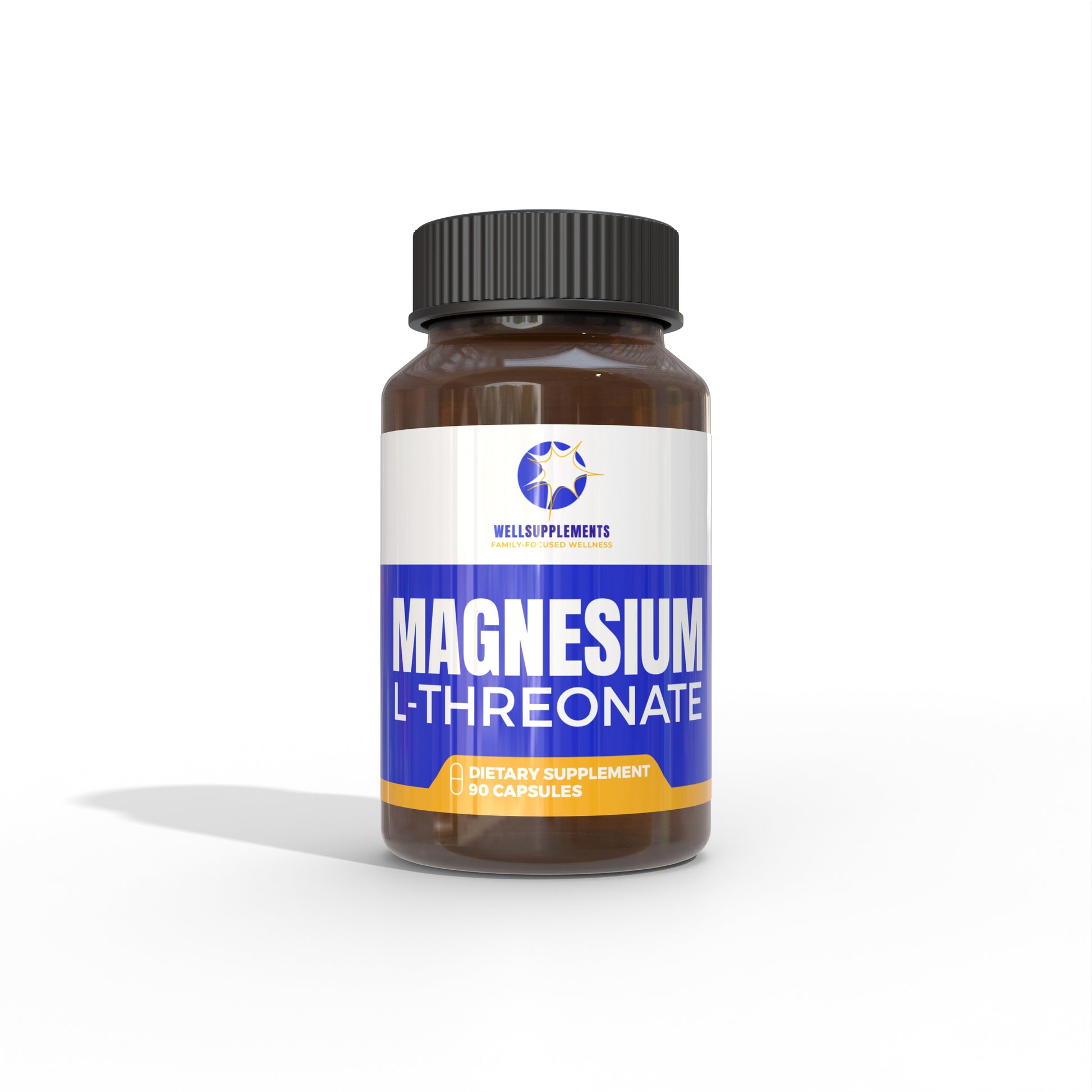
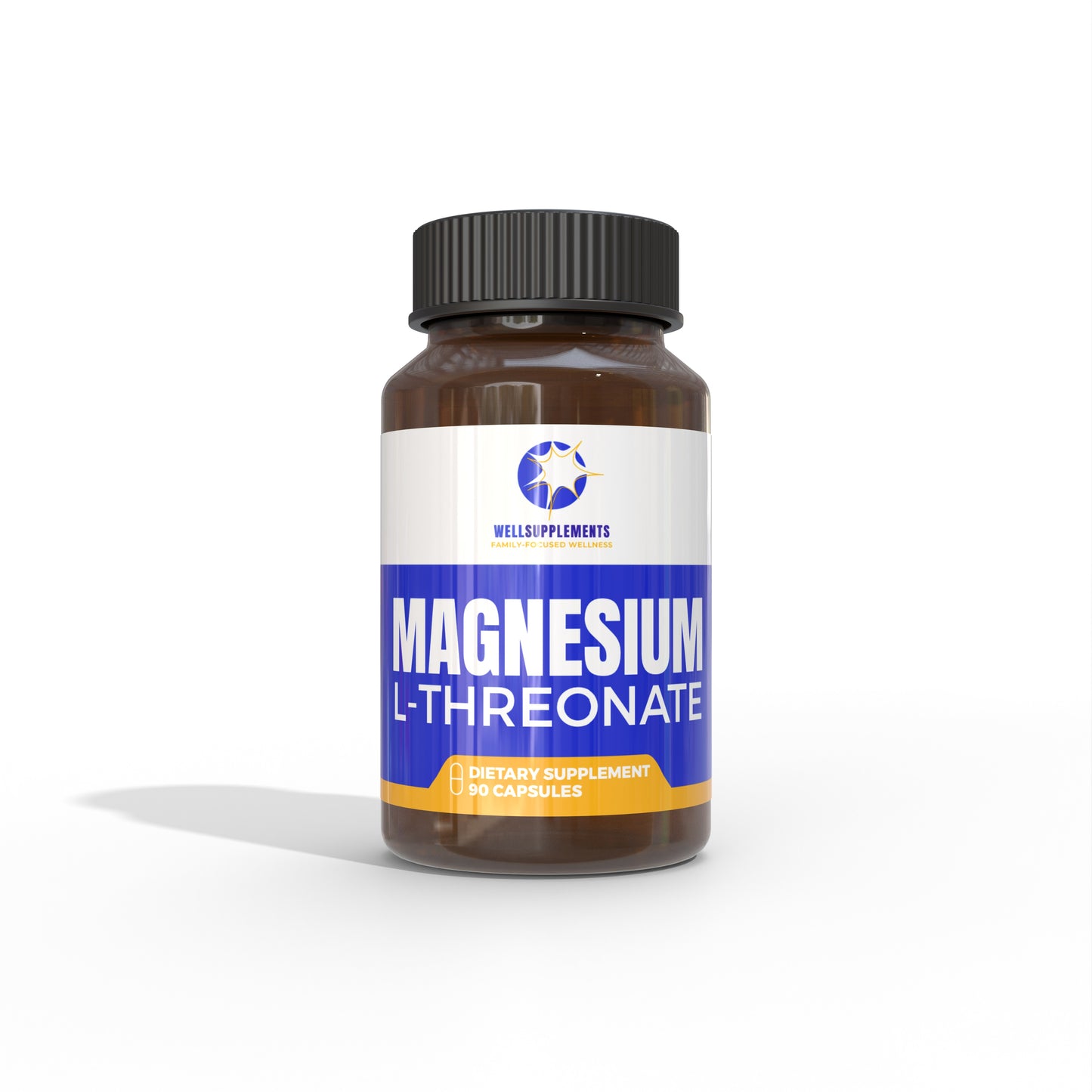
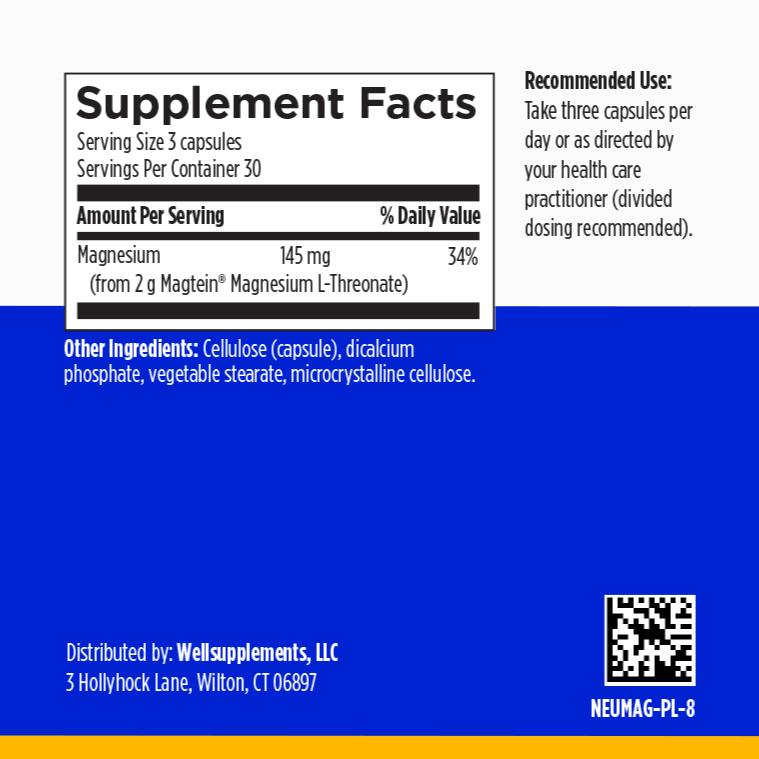
Magnesium L-threonate
Important Information
This article is provided for educational purposes and is not intended to diagnose the cause of a child’s symptoms. A suspected trigger does not establish causation. Seek appropriate medical evaluation for new or worsening neurological, psychiatric, or physical symptoms.
These statements have not been evaluated by the Food and Drug Administration. Pow Pow Powder is not intended to diagnose, treat, cure, or prevent any disease.
References
Calaprice D, Tona J, Murphy TK. Characteristics of children with pediatric acute-onset neuropsychiatric syndrome: a comparison between retrospective and prospective study samples. BMJ Open. 2024;14:e072743.
Cooperstock MS, Swedo SE, Pasternack MS, Murphy TK. Clinical Management of Pediatric Acute-Onset Neuropsychiatric Syndrome: Part III, Treatment and Prevention of Infections. Journal of Child and Adolescent Psychopharmacology. 2017;27(7):594-606.
Pediatric Acute-Onset Neuropsychiatric Syndrome and Pediatric Autoimmune Neuropsychiatric Disorder Associated With Streptococcal Infections: A Delphi Study and Consensus Document About Definition, Diagnostic Criteria, Treatment and Follow-Up. 2024.
PANDAS Physicians Network. PANDAS/PANS Treatment and Clinical Considerations. Accessed 2026.
Masterson EE, Gavin JM. Baseline characteristics of children in the International PANS Registry (IPR) Epidemiology Study. BMJ Open. 2024;14(1):e072743. doi:10.1136/bmjopen-2023-072743.